Trauma Queen: A Bold Embroidery Design for Real-World Projects
As a designer and product reviewer with years of experience in embroidery, I often find myself evaluating how well a digital design will translate into the finished product. Nurse Quote Design, Trauma Queen, is one such design that immediately caught my eye—not just for its bold statement but for how it could function across various embroidery applications. Let me walk you through my real-world evaluation.
First Impressions: Confidence and Charm
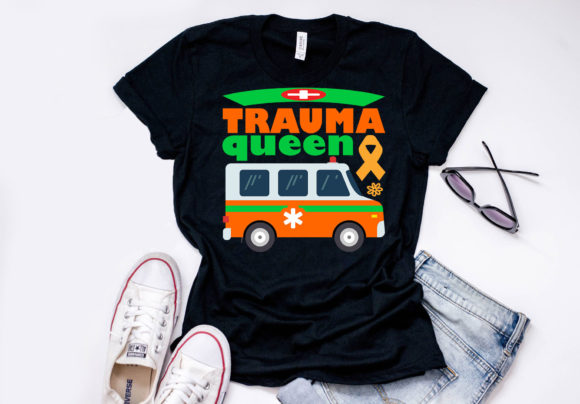
The first thing I noticed about Trauma Queen is the attitude it carries. The phrase "Trauma Queen" is written in a stylized font, flanked by subtle nurse-themed elements—perhaps a cross, an icon, or some medical motifs depending on the version. It feels like a perfect blend of professionalism and personality, making it ideal for anyone looking to add a touch of humor or pride to their handmade products.
Visually, the design has a strong presence without being overwhelming. The layout is clean enough to work on different surfaces but detailed enough to make an impression. The balance between typography and imagery gives it a modern, confident look that would appeal to crafters who want to create something both stylish and meaningful.
Visual Personality and Project Fit
This design naturally fits within the realm of custom apparel and personalized gifts. It’s got the right amount of edge to stand out in a tote bag design, while still feeling appropriate for a sweatshirt embroidery project. I see it working especially well on soft goods where a bit of sass meets purpose, like a custom nurse gift or a boutique-style hoodie.
If you're running a craft business or are an Etsy seller, this kind of design can be a conversation starter. It's not just a graphic; it's a statement piece. That said, it's important to consider where and how it will be stitched before jumping into production.
Real-Life Performance: From Hoop to Product
I recently tested Nurse Quote Design, Trauma Queen on a few common substrates used in small shop merchandise—like cotton blends and felt for patches. The results were solid, but there were nuances worth noting.
- Satin Stitch Clarity: The lettering uses a satin stitch style, which looks great on smooth fabrics. On a tote bag made from woven cotton, the letters held their shape well and had a crisp finish.
- Fill Stitch Balance: Any accompanying icons or symbols use fill stitches that aren’t too dense, allowing for flexibility when adjusting for fabric type or machine settings.
- Thread Color Consideration: I tried multiple thread color combinations. While the default palette works well, using white or light-colored threads on dark backgrounds enhanced visibility and gave it a more professional appearance.
In terms of stitch density, the design is moderate, which means it won’t strain most machines unless pushed beyond their recommended limits. I recommend reviewing the stitch spacing if you plan to embroider on stretchy or thin materials, as adjustments may be needed to prevent puckering or distortion.
Hoop Size and Surface Compatibility
While the exact hoop size isn't listed, the design appears to be designed for mid-sized hoops. For smaller projects like embroidered patches or caps, you may need to scale it down carefully to preserve clarity in the tiny lettering.
When applied to curved surfaces—such as a cap or hat—the design maintained its legibility at a moderate size. However, on very tight curves, some corners lost definition. If you're planning to use this for cap embroidery, test the placement first or consider simplifying certain areas.
Fabric texture also plays a role. On textured materials like linen blends or canvas, the design still looked good, though a bit more stabilizer was necessary to keep the stitches even. For smoother surfaces like polyester blends or quilting cotton, it shines.
Where to Use with Care
Not every project is a match for Trauma Queen. Here are some situations where caution is advised:
- Small Hoop Sizes: Scaling down might affect the visual impact and stitch integrity.
- Stretchy Fabrics: Without proper stabilizer, the design can warp or lose shape.
- Dark Fabric Backgrounds: Ensure your thread colors contrast well. A black-and-white mockup can help confirm visibility.
- Thin or Delicate Materials: Dense stitching can cause holes or tears, so adjust accordingly.
- Layered Garments: Stitching through multiple layers may lead to uneven tension or skipped stitches.
- Products Subject to Frequent Washing: Test durability and colorfastness before mass-producing items like baby clothes or aprons.
These are all standard considerations for any embroidery file, but especially relevant when working with designs that carry text and intricate details.
Design Impact: Beyond the Needle
From a practical standpoint, Trauma Queen adds a unique flair to handmade products. It enhances visual appeal and can elevate the perceived value of a personalized gift or small shop product. Customers respond positively to designs that feel intentional and expressive—this one checks both boxes.
For commercial embroidery, the design contributes to brand consistency if you're targeting healthcare professionals, fitness enthusiasts, or those with a sense of humor. It also supports giftability and recognition, making it a valuable asset in your design assets library.
What stands out is how the design engages buyers. Whether it's a holiday gift, a nursery decor item, or a boutique branding element, it brings character and charm. As an Embryddery Designer, I appreciate when a design doesn’t just fit the space—it makes a statement.
Professional Presentation and Customer Trust
Using Nurse Quote Design, Trauma Queen in your Embroidery Project can reinforce professionalism. Clients and customers notice when a design is well-balanced and stitched cleanly. This helps build customer trust, especially for commercial embroidery or digital embroidery file sales.
It’s also a strong candidate for printable mockups and digital product previews. The clear lines and structured layout render well in digital formats, giving potential buyers a realistic idea of what they’re purchasing.
Designer Notes: Best Practices for Use
Before incorporating Trauma Queen into your workflow, here are a few tips to ensure success:
- Test on Scrap Fabric First: Always run a sample stitch before committing to the final piece. Especially important for high-value or client-based projects.
- Check Thread Color Contrast: Don’t assume the default palette is the only option. Try different combinations to suit your fabric and aesthetic goals.
- Review Stitch Density: Adjust for fabric type and machine capabilities. Too much density can lead to puckering; too little and the design may appear flat.
- Confirm Hoop Size: Since the hoop size isn't specified, double-check the dimensions once imported into your software.
- Inspect Small Details: Look closely at the corners and fine lines to ensure they don’t get lost in translation when scaled or altered.
- Use Proper Stabilizer: Especially on stretchy or thin materials, backing stabilizer can make a big difference in stitch quality.
- Check Licensing Before Selling: Make sure you have the rights to sell finished products or digital products based on this design.
Final Thoughts for Crafters and Entrepreneurs
Trauma Queen is a standout among T-Shirt Designs and Graphics due to its boldness and versatility. It works well as an applique design or full-stitched quote, and the layered file formats (SVG, PNG, DXF, EPS) offer flexibility for both physical and digital use cases.
As a seasoned embroidery designer, I’d say this design deserves a spot in your collection—if you’re ready to put in the effort to tailor it to your specific needs. With thoughtful application, it can become a signature piece in your line of handmade gifts, custom apparel, or small shop product offerings.
So whether you're crafting for yourself, preparing for a craft fair, or designing for commercial embroidery, take the time to evaluate how Nurse Quote Design, Trauma Queen behaves in your hands. It’s not just about making it fit—it’s about making it shine.