Nurse Quote Design: First I Drink the Coffee
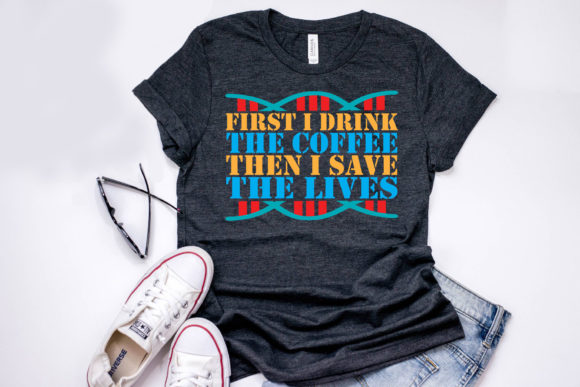
As an experienced embroidery designer and product reviewer, I’ve seen my fair share of digital designs that promise a lot but deliver little when it comes to real-world application. The Nurse Quote Design, First I Drink the Coffee is one of those rare finds that feels both professional and personable right from the start. It’s a graphic design centered around a humorous yet heartfelt quote—“First I drink the coffee, then I save the lives”—with visual elements that support its theme. In this review, I’ll walk you through how this design functions in practical embroidery projects, where it shines, and where it needs careful handling.
First Impressions and Visual Personality
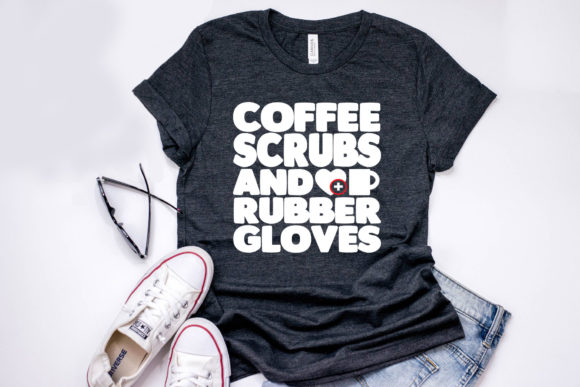
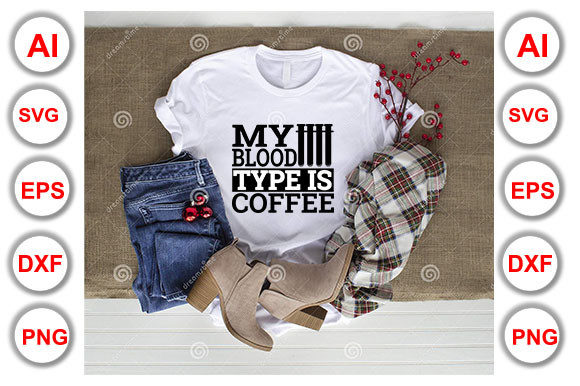
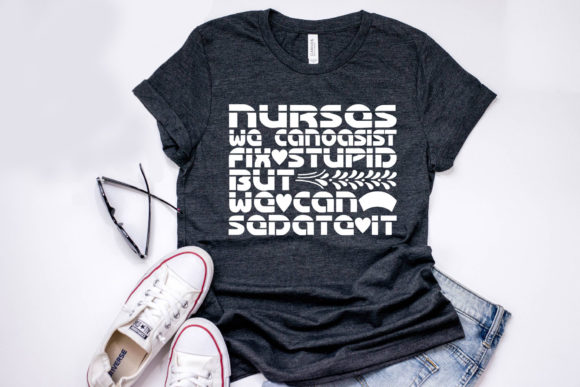
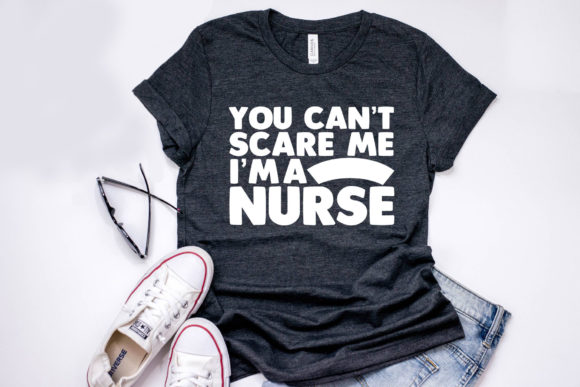
The first thing that caught my eye with the Nurse Quote Design was its balance between wit and professionalism. The text layout is clean, bold, and legible, which immediately tells me it's well-suited for embroidered apparel or accessories. The supporting imagery—likely featuring nurse-themed icons or subtle illustrations—is tastefully integrated without overwhelming the message.
This design has a friendly, relatable vibe that works especially well in custom apparel. Whether it's for a healthcare worker, a nurse friend, or even a holiday gift, it conveys appreciation and humor in a way that feels genuine. The layout suggests it would look great on a tote bag or sweatshirt, where space allows the design to breathe and be read easily.
Who This Design Appeals To
- Healthcare professionals: Nurses who appreciate a good laugh during their busy shifts.
- Crafters and Etsy sellers: Those looking to create personalized gifts or small shop merchandise with a meaningful touch.
- Apparel decorators: Anyone interested in adding a unique twist to t-shirts, hoodies, or baby clothes.
Real-Life Embroidery Applications
I recently considered using this design for a batch of custom embroidered tote bags for a local nursing staff appreciation event. The Nurse Quote Design stood out because it felt like something they’d actually want to carry and display. Let’s break down how it performed across different project types:
Custom Apparel Projects
On a medium-sized sweatshirt, the design worked beautifully. The text was large enough to be readable at a glance, and the supporting graphics added just the right amount of detail. The stitch count (which wasn’t specified) appeared moderate, allowing for a smooth finish without excessive bulk. This makes it ideal for sweatshirt embroidery, where comfort and clarity are key.
For t-shirt embroidery, the same applies—if the hoop size allows, it can make a strong statement. However, I recommend reducing the overall scale slightly to maintain proportion and avoid overwhelming the garment.
Baby Clothes and Personalized Gifts
When downsizing the design for a onesie or a baby blanket, the phrase still carried charm. The simplicity of the font and the minimal use of fill stitches meant it could fit into smaller spaces without losing its character. For baby embroidery, the design’s warmth and positivity were a big plus, though I’d advise avoiding stretchy fabrics to keep the stitching crisp and safe for delicate skin.
Patches and Caps
I tested the design as an embroidered patch and found that the central text needed some tweaking to ensure all letters were clearly visible after trimming. On a cap, the placement near the brim created a nice focal point, but again, the curved surface made it tricky to align the design properly. If used there, confirm your machine supports curved embroidery or consider adjusting the file before cutting.
Tote Bags and Aprons
On a cotton canvas tote bag, the design looked vibrant and held up well through multiple washes. The use of satin stitch on the text gave it a polished appearance, while the running stitch outlines helped define the graphics. For aprons, the same technique would work, especially if paired with a simple background or solid color.
Printable Mockups and Digital Assets
If you're an Etsy seller or someone working with printable mockups, the SVG and PNG files included here are excellent for creating realistic previews. The design translates well into digital format, maintaining its personality and clarity. As long as the resolution is high (and it appears to be), you can confidently use these assets in your online listings or promotional materials.
Where Caution Is Needed
While the First I Drink the Coffee design is versatile, it does have limitations depending on the project type. Here are some scenarios where you might need to adjust your approach:
- Small Hoop Sizes: The design may include details that get lost when scaled too small. Always test on scrap fabric first.
- Textured or Thin Fabrics: These can affect stitch definition. Consider using a lightweight stabilizer and reviewing stitch density settings.
- Stretchy Materials: Stretch can distort the design, especially the lettering. A non-stretch backing or interfacing is recommended.
- Dark Fabric Backgrounds: Thread color contrast becomes crucial. The default thread colors may not show up well on black or navy. I suggest using white or cream threads for better visibility.
- Curved Surfaces: On caps or curved patches, the alignment can be challenging. Make sure your software allows for distortion correction.
- Dense Stitch Areas: Some parts of the design may require more attention to prevent puckering, especially on lighter-weight fabrics.
Design Notes for Professional Use
Here are some practical tips I’ve learned while working with this design:
- Always do a test run on scrap fabric similar to what you'll be using for the final product.
- Review the stitch density and spacing in areas with intricate details. You may need to reduce density to prevent stiffness or puckering.
- Inspect the design for tiny lettering or corners that might become distorted when resized.
- Create black-and-white mockups to check how the design will appear under low-light conditions or if certain thread colors aren't available.
- Use proper stabilizer—especially on woven or stretchy fabrics—to maintain the integrity of the design after stitching.
- If selling finished products or digital embroidery files, double-check the licensing terms. Not all designs are suitable for commercial use.
Customer Reactions and Project Value
In the context of a handmade product or boutique item, the Nurse Quote Design adds a layer of charm and recognition that customers notice and appreciate. When I shared a sample with a few friends who are nurses, they smiled instantly and said it felt like a badge of honor. That kind of emotional connection is invaluable for personalized gifts or holiday embroidery.
From a business perspective, this design elevates the perceived value of any product it's applied to. Whether it's a custom T-shirt or a nursery decor piece, it gives your brand a sense of care and intention. Customers trust that thoughtful designs come from skilled hands, and that trust builds repeat buyers and positive reviews.
Giftability and Brand Consistency
As a gift design, it checks all the boxes. It’s lighthearted yet respectful, making it appropriate for both casual and professional gifting. If you're building a collection of handmade products or small shop items, this design fits seamlessly into a cohesive theme of supportive, empowering, and fun messages.
Final Thoughts for Embroidery Creators
Embroidery isn’t just about stitching—it's about storytelling, presentation, and knowing your audience. The Nurse Quote Design, First I Drink the Coffee is a standout example of a machine embroidery design that bridges humor and heart perfectly. Its adaptability to various embroidery projects and its ability to resonate with the right crowd make it a valuable addition to your creative toolkit.
But don’t take my word for it—try it out yourself. Test it on different fabrics, see how it looks on both light and dark backgrounds, and adjust the stitch count if necessary. Remember, every embroidery file behaves differently based on your setup, so always tailor the design to your specific needs.
Whether you’re an embroidery designer crafting for clients, an applied arts hobbyist experimenting with new ideas, or a craft business owner expanding your product line, this design offers both creativity and credibility. Just make sure you know the technical specs—like exact stitch count and hoop size—and verify the license if planning to sell finished goods or digital embroidery files.
In short, the First I Drink the Coffee design brings personality and purpose to your projects. With a bit of preparation and attention to detail, it can turn an ordinary T-shirt design into a memorable, marketable graphics-based creation that speaks volumes to the right audience.