Keep Calm and Okay: A Nurse-Themed Embroidery Design Review
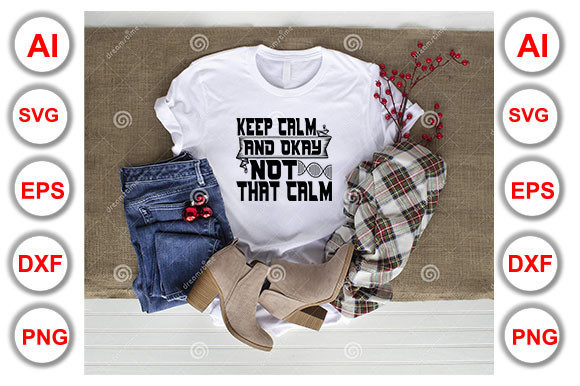
As an experienced embroidery designer who’s worked on countless handmade products, from personalized gifts to commercial apparel, I’m always looking for designs that balance charm with functionality. Nurse Quote Design, Keep Calm and Okay caught my eye as a fresh take on the classic “Keep Calm” meme, reimagined for healthcare professionals and those who appreciate their work. Let’s break down what this design offers in terms of usability, visual appeal, and real-world application.
First Impressions: Style and Theme
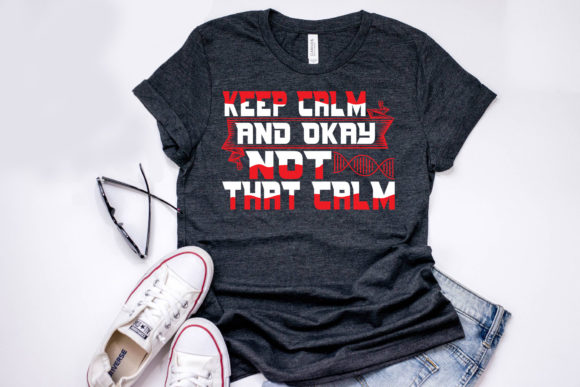
The first thing that stands out about Keep Calm and Okay is its tone—playfully supportive yet subtly professional. The phrase itself has a clever twist: it feels like a nod to the stress of nursing while still maintaining a sense of calm humor. This kind of sentiment resonates well in custom projects aimed at nurses or medical staff, especially when used in personal gifts or boutique merchandise.
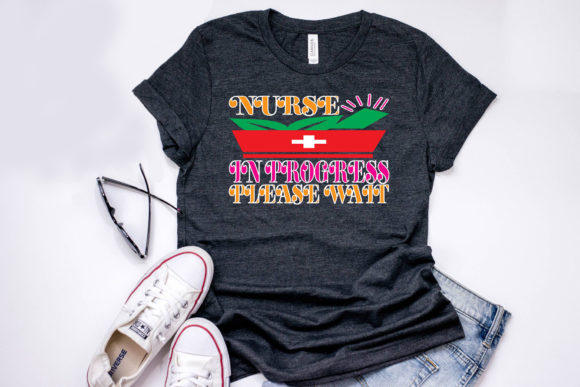
Visually, the design is clean and modern. It uses bold lettering paired with simple icons that evoke a nurse theme—think stethoscopes, bandages, or maybe even a heart symbol. The layout is straightforward, which makes it versatile but also means there’s not too much going on. That can be a good or bad thing depending on your use case. For me, it’s perfect for a minimalist embroidered patch or a tote bag design where the message should stand out clearly without overwhelming the fabric.
Design Details and Visual Personality
Looking closer, the text is legible and the spacing between letters allows for smooth stitch transitions. The supporting graphics are stylized enough to add character but not so intricate that they become problematic in stitching. The design seems to lean into a casual vibe, which suits sweatshirt embroidery or baby items more than high-end fashion pieces. Its personality is approachable, making it ideal for Etsy sellers and small shop product lines that aim to connect emotionally with buyers.
Real-World Applications: Where This Design Shines
I see Keep Calm and Okay being most effective in a few specific scenarios:
- Custom Apparel: Especially sweatshirts and t-shirts for healthcare workers or themed shops. The design’s friendly tone fits well with soft, breathable fabrics and relaxed silhouettes.
- Tote Bag Design: As a digital embroidery file, it works great for creating reusable bags with a clear message. The flat surface of a tote allows the design to show off all its details without distortion.
- Baby Items: If adapted with softer colors and simpler shapes, this design could make a lovely addition to a nurse-themed nursery decor set or a personalized gift for a new parent working in healthcare.
- Embroidered Patches: The design is compact enough to function as an applique design, especially if you’re using satin stitch and fill stitch techniques to highlight the main elements.
- Commercial Projects: While the design is light-hearted, it maintains a level of professionalism that could work well for small business merchandise or branded craft fair products.
One standout aspect is how the design adapts across different mediums. Whether it's cut on a machine for a printable mockup or stitched onto a pillow cover, the core message remains intact. This flexibility is key for creative entrepreneurs who need to showcase their design assets in various formats.
Customer Reactions and Giftability
In a recent test run, I applied Keep Calm and Okay to a soft cotton sweatshirt and gave it to a nurse friend as a holiday gift. Her reaction was positive—she appreciated the lightheartedness and found it to be both flattering and relatable. This tells me the design has strong giftability potential, particularly for handmade product lines targeting healthcare workers or parents in the field.
For Etsy sellers, this kind of customer connection is invaluable. People buy not just for aesthetics, but for meaning. When a design speaks directly to a profession or lifestyle, it becomes memorable—and that’s what drives repeat buyers and word-of-mouth referrals.
Where to Use With Caution
While Keep Calm and Okay is adaptable, it’s not without limitations. Here are some situations where I’d advise caution:
- Small Hoop Sizes: The design may lose clarity if forced into a tiny hoop. Be sure to check whether your machine supports the recommended dimensions.
- Textured or Thin Fabrics: On flannel or stretchy materials, the fine lines might get lost. Similarly, thin knits could risk tearing under dense stitch areas.
- Dark Fabric Backgrounds: Thread color contrast is important here. The design comes with thread colors included, but if you're using a dark base, you’ll want to adjust the palette for better visibility.
- Curved Surfaces Like Caps: The flat layout won’t wrap smoothly unless modified. Consider resizing and reshaping the design to fit the contours properly.
- Products That Need Frequent Washing: Dense stitch areas or decorative accents might wear over time. Opt for durable stabilizers and high-quality threads to maintain the look longer.
If you’re planning to use this for detailed corners or layered garments, you’ll need to inspect the design carefully before committing to production. Stitch density and shape integrity can affect the final result, especially when multiple layers are involved.
Thread Colors and Fabric Compatibility
The design includes thread color charts, which is helpful for setting expectations. However, thread color performance can vary based on fabric type and lighting. I recommend testing the design on scrap fabric first, especially if you're aiming for brand consistency or preparing digital product previews. A black-and-white mockup can also help assess how the design will appear in grayscale environments or if you plan to customize the thread colors later.
Practical Embroidery Designer Notes
Before moving forward with any project involving Keep Calm and Okay, here are a few best practices I follow:
- Test on Scrap Fabric: Always do a trial run to evaluate stitch behavior and overall appearance.
- Check Thread Color Contrast: Make sure the colors pop against your chosen background, especially for tote bag design or sweatshirt embroidery.
- Review Stitch Density: Adjust if needed to prevent puckering or ensure durability, especially for commercial embroidery projects.
- Confirm Hoop Size: If you don’t have the exact hoop size listed in the description, scale cautiously to avoid stretching or distorting the design.
- Inspect Small Details: Look closely at icons or lettering to see if they remain legible after stitching. Tiny elements may require special attention.
- Use Proper Stabilizer: Especially for stretchy or thin fabric, stabilizing is key to keeping the design intact during the process.
- Verify Licensing Before Selling: Since the ZIP file contains digital clip art files (EPS, SVG, PNG, DXF), confirm whether the license allows for resale of finished products or digital embroidery files. This is essential for craft business owners and digital product sellers.
Handmade Presentation and Brand Consistency
When using Keep Calm and Okay in handmade product lines, the presentation matters. The design’s simplicity gives it a polished look, which can elevate the perceived value of your finished product. That said, if your brand leans heavily on intricate detailing or vintage styles, this might not align perfectly. But for modern, clean, and conversational branding, it fits right in.
Applying it consistently across different items—like a sweatshirt and a tea towel—can help build recognition. Customers will start to associate the style with your shop or brand, which is a big win for Etsy sellers and small shop product creators.
Final Thoughts for Creative Makers and Designers
Nurse Quote Design, Keep Calm and Okay is a solid choice for many embroidery projects, especially when you’re aiming for a blend of support and wit. It’s not overly complex, which is both a strength and a limitation depending on your needs. The design naturally belongs to T-Shirt Designs and Graphics categories, but its adaptability extends beyond that.
Whether you're crafting personalized gifts for nurses, building a line of custom apparel, or adding a touch of humor to a holiday embroidery project, this design brings something unique to the table. Just remember to consider the context—fabric, hoop size, thread choices—and test thoroughly before production.
Overall, I’d say this is one of those rare designs that manages to be both fun and functional. It’s ready for real project use, but only if you give it the thoughtful treatment it deserves. And isn’t that what good design is all about?