Grandma’s Kitchen Coffee, Pie and Hug Review
As a seasoned embroidery designer who's spent years evaluating digital designs for real-world use, I approach every new file with both curiosity and caution. When I first opened the Grandma’s Kitchen Coffee, Pie and Hug design, I was struck by its warm, nostalgic charm. This SVG-based graphic is clearly crafted with intention — it evokes comfort, home, and tradition through its visual storytelling. But does that translate well to actual embroidered products? Let’s break it down.
A First Impression of Nostalgia and Craftsmanship
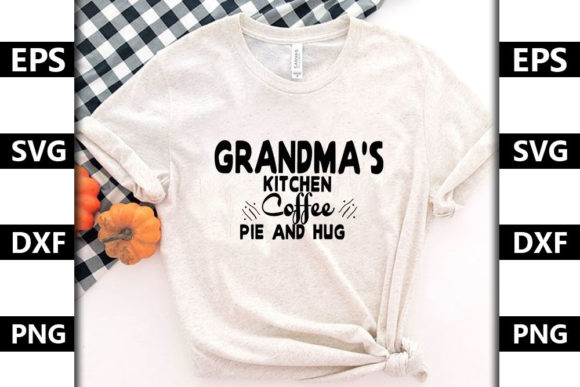
The Coffee quote SVG Design titled “Grandma’s Kitchen Coffee, Pie and Hug” immediately sets a cozy tone. It features a classic kitchen scene with a mug of coffee, a slice of pie, and a heartwarming message wrapped up in a friendly hug. The layout feels balanced, with soft curves and a clear focal point on the text and imagery. The color palette is gentle and inviting — perfect for sentimental projects.
Visually, this design has a strong personality. It speaks to those who appreciate homey aesthetics and vintage-style illustrations. The detail level is just right: enough to feel handcrafted without being overwhelming. As an embroidery file, it offers a good blend of recognizable elements and manageable complexity. It doesn’t scream for attention but rather invites you in, which makes it ideal for personal or boutique-style items where subtlety matters.
Best Suited for What?
This design naturally fits into several product categories:
- Tote bag design — especially ones made from cotton canvas or linen, where the warmth of the colors and soft lines can shine.
- Sweatshirt embroidery — the size and style are perfect for front-center placement on hoodies or pullovers.
- Apron graphics — a heartfelt touch for any kitchen accessory, especially if your brand leans toward farmhouse or rustic themes.
- Tea towel or pillow cover — the graphic adds a personal, decorative flair without overcomplicating the item.
I could also see it as a great fit for holiday gifts, like personalized mugs or embroidered coasters, where the sentiment behind the design enhances the gift experience.
Performance in Real Embroidery Projects
Embroidery isn't just about how a design looks on screen — it's about how it behaves when stitched onto fabric. The Grandma’s Kitchen Coffee, Pie and Hug handles itself well in most scenarios, especially when used at recommended sizes. Its composition allows for flexibility in placement and scale, making it suitable for a wide range of applications.
For custom apparel, particularly sweatshirts or long-sleeve shirts, this design performs admirably. The combination of satin stitch outlines and fill areas gives it a polished look, while the running stitch elements add texture and movement. When using it on a tote bag, I found that the design maintains clarity even after multiple washes — provided the fabric is stable and the stabilizer is applied correctly.
In terms of handmade product value, this design elevates the emotional appeal of any item it’s placed on. Whether it's a baby item or a gift for a friend, the message resonates and the design feels intentional. For Etsy sellers and small shop product creators, this kind of graphic helps build customer trust because it’s clean, readable, and relatable.
Where Caution Is Advised
While the design is versatile, there are some situations where it might not perform as expected:
- Small hoop sizes — the details may become too compressed, reducing readability and overall impact.
- Textured fabrics — surfaces like denim or felt can affect how the stitching lays flat and shows off the design.
- Stretchy or thin materials — these require extra stabilizing to prevent distortion or puckering around the intricate shapes.
- Dark fabric backgrounds — thread color contrast becomes critical here. If not planned carefully, the design can appear washed out or muddy.
- Curved surfaces — such as caps or hats — the layout may need adjustment to avoid awkward stretching or misalignment.
- Densely packed stitch areas — particularly in the background or corner details — may require careful management of stitch density to prevent stiffness or fraying.
Before finalizing any project, I always recommend testing the design on scrap fabric first. It's surprising how different a design can look once stitched versus how it appears in the preview image.
Design Impact on Product Value and Branding
One of the strengths of the Grandma’s Kitchen Coffee, Pie and Hug is its ability to convey emotion quickly. In the world of personalized gifts and holiday embroidery, this is gold. The design feels handmade yet professional, which is a tough balance to achieve. It can be used effectively in printable mockups to show customers what the finished product will look like before purchase.
From a branding standpoint, this design supports a warm, welcoming aesthetic. If your craft business focuses on family-friendly or homely products, this one could become a signature element of your collection. However, it’s less likely to work in high-fashion or minimalist contexts where bold, modern designs are preferred.
Customer engagement is another key factor. The design’s familiarity and comforting theme can spark conversation and connection, especially in commercial embroidery projects aimed at niche audiences. That said, for more formal or corporate uses, it may not carry the same weight unless paired with other more structured design assets.
Thread Color Considerations and Stitch Clarity
The design comes with suggested thread colors, which are great for getting started. However, don’t hesitate to customize them to match your brand or the fabric you're working with. On light-colored backgrounds, the default colors pop nicely, but on darker shades, you’ll want to double-check for visibility.
Stitch density is generally moderate, so it should handle reasonably well on most machines. Still, keep an eye on the corners and smaller lettering. These can sometimes cause issues if not properly stabilized or if the machine lacks fine-tuning capabilities.
Practical Notes for Embroidery Designers and Sellers
If you're considering using the Grandma’s Kitchen Coffee, Pie and Hug for a commercial project, make sure to confirm the licensing terms. While the file types suggest broad usage (SVG, DXF, AI, EPS), it's important to know whether reselling or redistributing is allowed. Many designers overlook this step and end up facing legal issues later on.
- Test on scrap fabric — always do a test run to assess how the design behaves on your chosen material.
- Check thread contrast — ensure the colors stand out against the fabric, especially if you're embroidering on dark tones.
- Review stitch density — adjust if needed to prevent stiffness or excessive bulk.
- Confirm hoop size — scale appropriately to maintain clarity and avoid overcrowding stitches.
- Inspect small details — like tiny lettering or delicate linework — for potential stitch skipping or registration issues.
- Use proper stabilizer — especially on stretchy or thin materials, to maintain shape and quality.
- Consider black and white mockups — to evaluate how the design holds up without color bias.
- Compare light and dark backgrounds — to understand how thread choice affects visibility and mood.
- Verify licensing — before selling the finished product or including it in your digital embroidery file offerings.
Final Thoughts on Grandma’s Kitchen Coffee, Pie and Hug
Overall, the Grandma’s Kitchen Coffee, Pie and Hug is a solid addition to any embroidery project that aims to evoke warmth and nostalgia. It works well across various machine embroidery design formats and has been thoughtfully constructed to support a range of applications. Whether you're an embroidery designer crafting custom pieces for clients or a creative entrepreneur building a line of handmade products, this design brings a meaningful touch to everyday items.
Its strength lies in its versatility and emotional resonance. With the right planning and adjustments, it can enhance the visual appeal of t-shirt designs, aprons, and nursery decor. Just remember to tailor it to your specific needs and materials, and always prioritize quality control through test stitching.
For digital product sellers, this design can serve as part of a cohesive set of design assets, especially if you focus on Graphics for embroidered patches, pillow covers, or home décor. It's not flashy, but it's functional and expressive — a hallmark of good embroidery design.